

Service overview
ELV systems depend on disciplined containment, cable segregation, device locations, network architecture, power interfaces and coordinated testing across multiple specialist packages.
Technical scope & system components
The drawings, specification and site survey establish the final package. Components, boundaries and exclusions are agreed before procurement. Typical work elements include:
- CCTV and access control
- Structured cabling and data
- Intercom and public address
- SMATV/MATV
- Lighting-control interfaces
- BMS interfaces
- Gate barriers and parking systems
Design & coordination considerations
Review the design intent against actual site dimensions, plant access, service routes and the responsibilities of adjacent trades. Raise unresolved interfaces before installation or concealment.
- Coverage and device locations
- Rack and network topology
- Cable segregation and pathways
- Power and UPS interfaces
- System integration and access
Installation & execution
Establish the work fronts from coordinated drawings, verify material approvals and sequence installation around access, adjacent trades and inspection points. Protect completed work and maintain a current record of changes.
- Verify the current drawing revision and release the work front.
- Inspect deliveries and protect materials before use.
- Complete prerequisite works and agreed inspection hold points.
- Record changes, close observations and protect completed installations.
Coordination with other trades
Coordinate rack power, network capacity and containment with electrical work. Door hardware, fire release, ceiling devices and BMS field interfaces need a clear division of supply, programming, testing and client IT responsibilities.
Testing, commissioning & handover
Follow the agreed inspection and test plan, record actual results, resolve observations and retest affected work. Assemble the accepted records with as-built information and the equipment schedules required at handover.
- Cable certification
- Device addressing
- Coverage and functional checks
- Interface testing
- Labelling and record documentation
Quality assurance
The work package follows documented material reviews, method statements and inspection/test plans. Work inspection requests identify the location and drawing revision. Non-conforming work is recorded, corrected and checked again; as-built information and test records are assembled progressively.
Health, safety & environmental controls
Task assessments address safe access, drilling, cable pulling, electrical supplies and controlled work near occupied areas. Inductions, permits, barriers, suitable PPE and competent supervision are matched to the actual activity. Work conditions and emergency access are reviewed as the site sequence changes.
Applications & sectors
The project brief establishes operating conditions, occupancy, access, durability and finish requirements. Phasing is planned around building users and adjacent work where premises remain occupied.
- Offices
- Residential buildings
- Retail and hospitality
- Warehouses
- Schools and healthcare
Northern Emirates coverage
Enquiries are supported across the five Northern Emirates. Planning considers client IT coordination, remote buildings, security boundaries and commissioning access. Coastal exposure, industrial operating hours and access constraints are reviewed against the actual site; the agreed scope and programme determine mobilization arrangements.
- Ras Al Khaimah
- Sharjah
- Ajman
- Fujairah
- Umm Al Quwain
Explore the scope
Related service specialisms
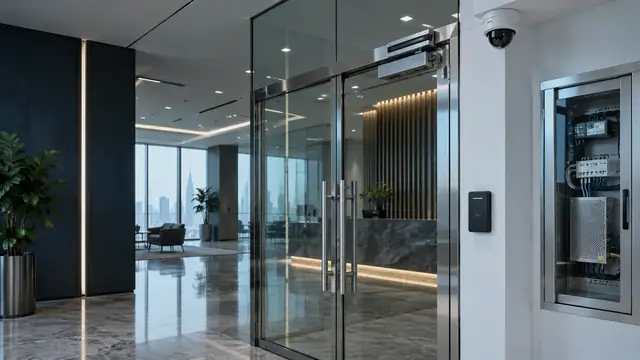
CCTV & Access Control
Surveillance and controlled-entry systems coordinated around coverage, doors, networks and power.
Explore Service →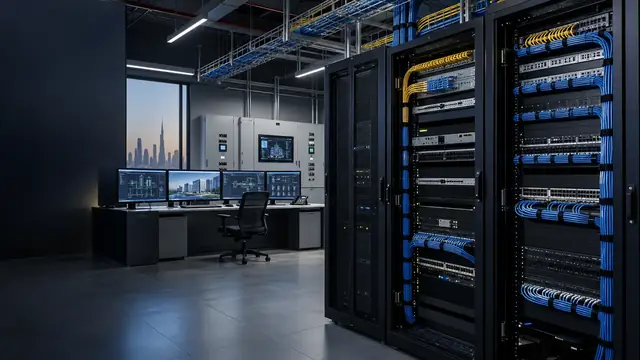
Structured Cabling, Communications & BMS
Copper and fibre connectivity, racks and outlets installed as a documented communication infrastructure.
Explore Service →Technical FAQs
Questions about ELV & Smart Systems
How is an ELV scope boundary defined?
Identify containment, cable supply, devices, power, network resources, programming and testing responsibilities. Client IT and specialist-system interfaces are included in the responsibility review.
What should be considered when placing network racks?
Access, cooling, power, cable entry, security and future service needs influence the position. Coordinate the room and pathway requirements before installation.
Why use consistent cable and device labels?
Labels connect physical ports and equipment with schedules, test results and as-built records. A consistent scheme supports commissioning and subsequent authorized work.
What is tested in structured cabling?
The specified link class or category determines the required measurements. Copper and fibre tests use the appropriate instruments and provide records for the installed links.
How are camera positions agreed?
Review the operational purpose, required views, lighting and obstructions. Coordinate network and power routes and confirm any relevant privacy boundaries.
What is required for BMS integration?
An agreed points list, control sequence, communication method and clear device responsibilities are needed. Test the defined interactions with the associated equipment.
How are access-control doors coordinated?
Align readers, locks, door hardware, power and emergency-release behavior with the approved door and fire-system requirements. Test the agreed operating and fault conditions.
What should happen to default system credentials?
Default credentials should be changed and administrator access restricted to authorized users. Configuration and access information are handed over securely to the nominated client representative.
What information is needed for a quotation?
Share the project location, intended use, drawings or BOQ, scope boundaries and target programme. Existing-condition information and the proposed work windows help establish access, phasing and interface requirements.
How are changes during installation controlled?
Record the proposed change, review its effects on scope, adjacent systems and programme, and obtain the required agreement before execution. Update coordination records and as-built information to reflect the accepted work.